
›
Blog
›
Tainan travel
›
The 3 Door Traditional Market Walk: [Ximen Market / Dacaishi] A fallen aristocrat’s splendid return
[Ximen Market / Dacaishi] A fallen aristocrat’s splendid return
Southern Taiwan’s first market, and a century of memory restored for NT$135 million
A journey through time across a hundred years
◆
Tainan travel
◆
Tainan attractions
◆
Where to stay in Tainan
— Prologue
Prologue: a capsule of time
Until you walk into the market, you cannot know how many layers of memory this city holds.
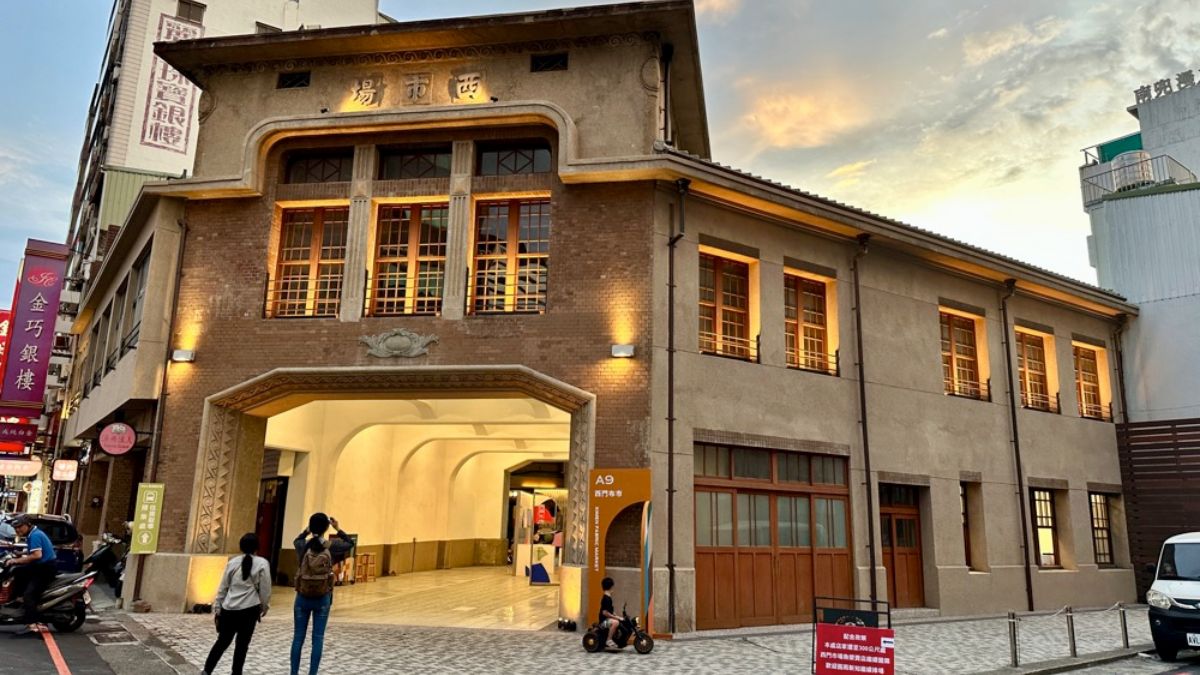
Today, walking through the West Central District, it is hard not to be drawn to thatfresh, bright white heritage buildingwith its elegant French roof and finely moulded flowers and foliage, and modern air conditioning and fittings within. It has been calledthe most beautiful heritage market in Tainan. This is Ximen Market, known to locals asDacaishi.
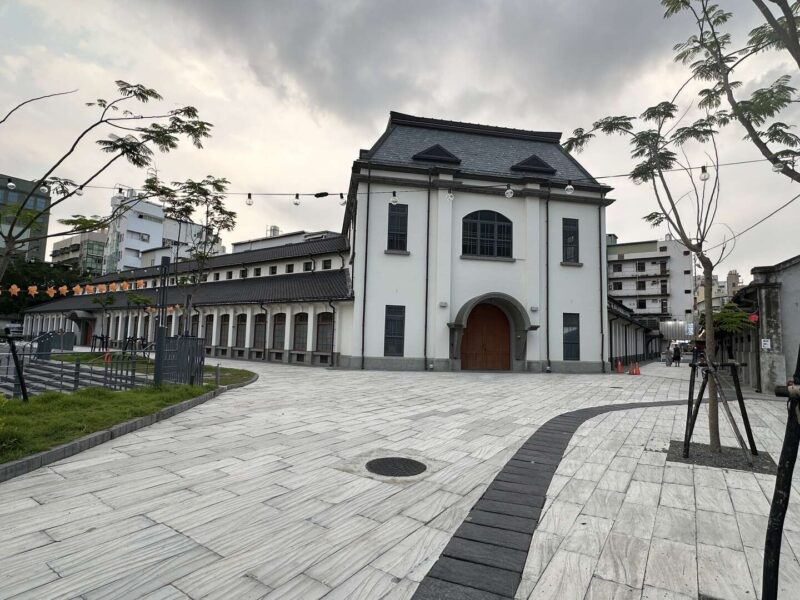
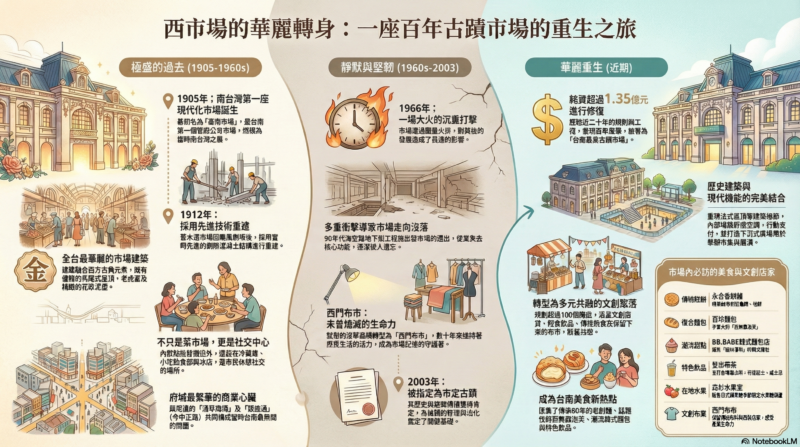
But the splendid rebirth of thisfallen aristocratwas never a simple coat of paint. It cost more thanNT$135 millionin total and took nearly twenty years of planning and restoration before returning to public view in recent years.
So here is the question: beneath that white, fashionable new coat, how much historical clamour and silence is being carried? Does its soul belong to theGinza Streetof the colonial era, or to the contemporarycreative quarter?
A century at Ximen Market condenses the whole history book of Tainan’s development. Its rebirth is not only the restoration of a building but thecontinuation and revivalof a city’s memory. It is a capsule of condensed time, waiting for us to set this hundred-year journey in motion ourselves.
Photographs in this article come from the Tainan City Cultural Heritage Management Bureau website and Ximen Market’s Google business listing.
A capsule of condensed time
waits for us to open it ourselves.
— Act One
Act one: a peak in the past
The history of Ximen Market must begin with themodern market management policypromoted by the colonial government. This was not a market that formed naturally among ordinary people: from its birth it was destined to carry the aura and ambition of beingthe first in southern Taiwan.
 |
 |
1.1 A pioneer of the modern market
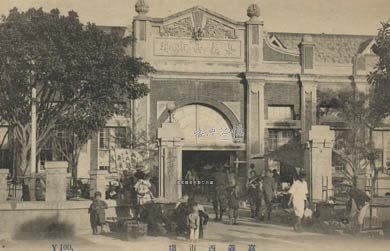
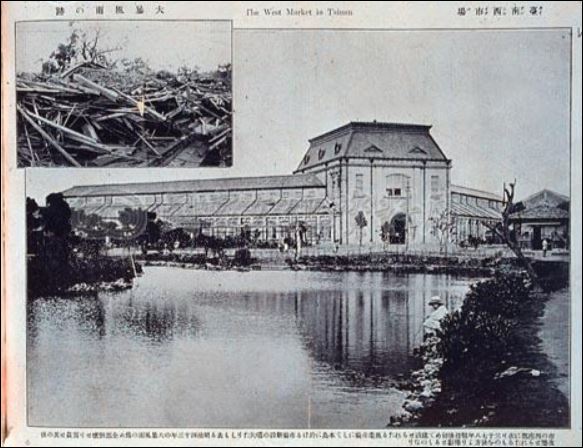
Ximen Market was first completed in 1905, the 38th year of Meiji, when it was known asthe Tainan Marketorthe Great Tainan Market, the first publicly built market in the old city. Sited on the fish ponds west of the city wall, its generous footprint made itthe pioneering modern market of southern Taiwan.
. The original timber structure collapsed in a typhoon, but the government began rebuilding in 1912. That reconstruction was not only swift but a statement of progressive intent: the market usedreinforced concrete, then a technological frontier, forming the L-shaped main building we see today.
Functionally, Ximen Market went far beyond an ordinary food market. Alongside wholesale stalls for fish, meat, vegetables and fruit, it was equipped withcold storage, remarkably modern at the time, so traders could keep produce fresh. More importantly, the market houseda food and drink hall and an ice shop, making it not merely a place of trade buta centre of leisure and social life for the city..
1.2 A splendid building and its expanding surroundings
 |
 |
 |
 |
 |
— ARCHITECTURE
DETAILS — The beauty of a century-old building |
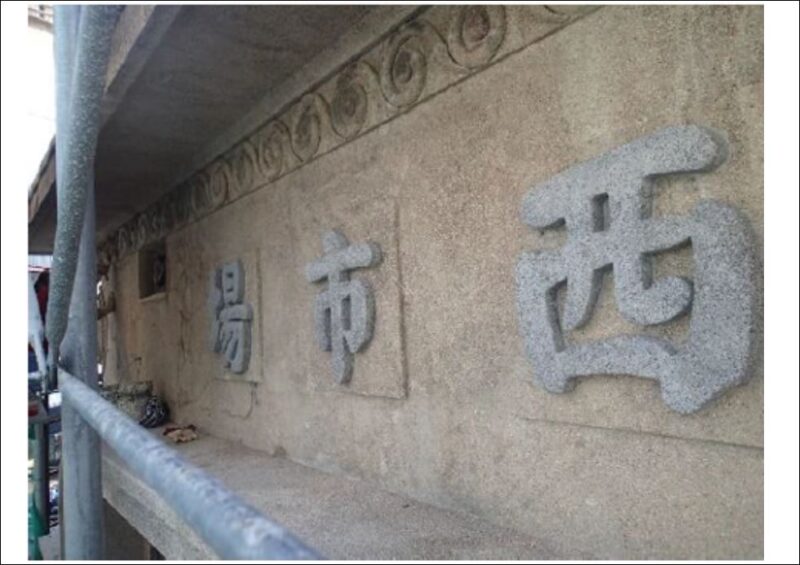
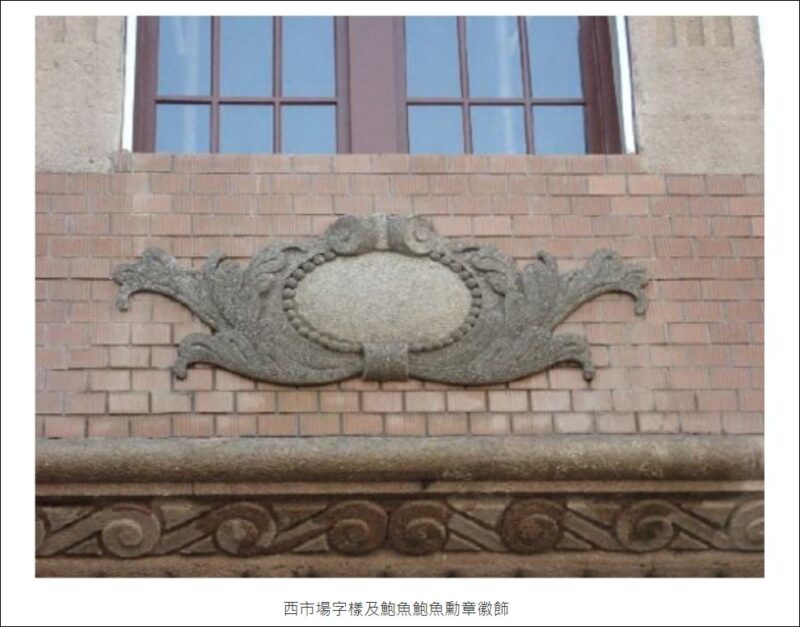
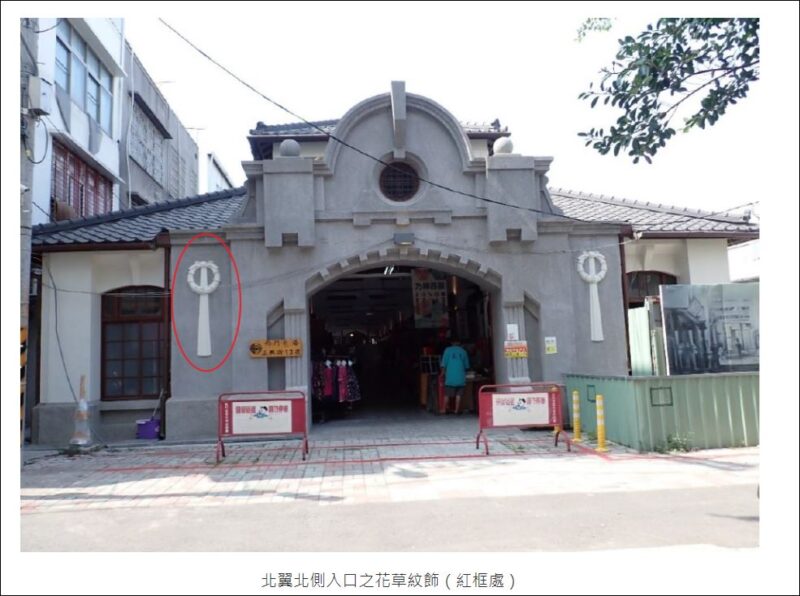
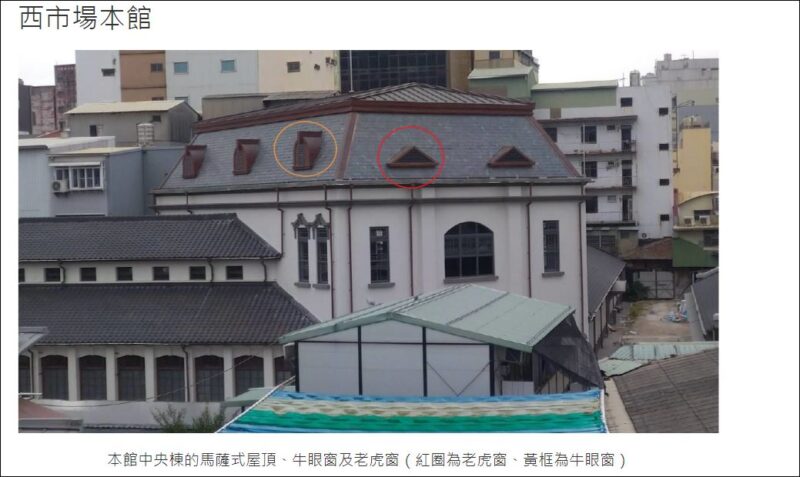
The second-generation building wasone of the most splendid market buildings in all Taiwanat the time. Its style blends Western classical elements of the colonial period and richly repays close attention.
| Structure and style | Built in reinforced concrete, the front entrance is decorated withWestern classical mouldings of flowers and foliage, beneatha mansard roof with dormer windows. These details made it stand out sharply in the everyday life of the period. |
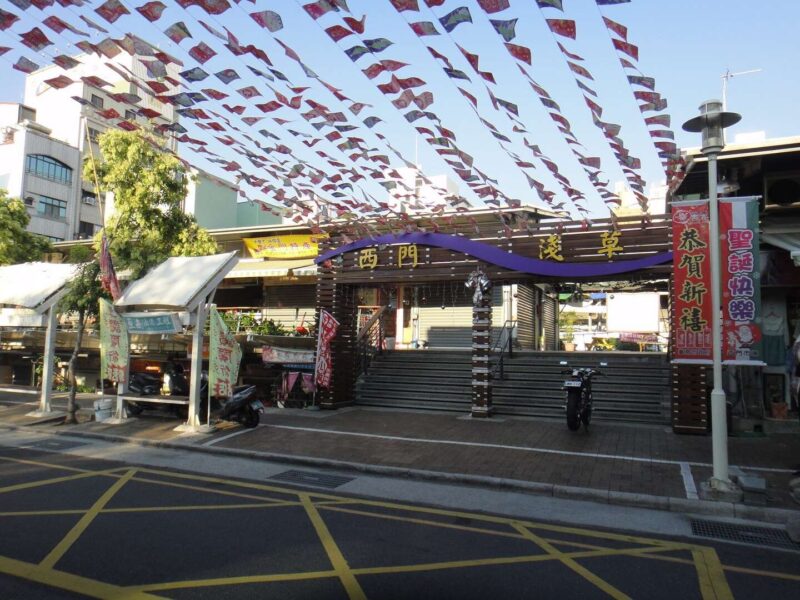
| Its standing as a retail district | As commerce flourished, the area around Ximen Market expanded quickly. The most famous addition was thein 1933built around the courtyard fountain on the market’s eastern side,the Asakusa Arcade. Together with the area aroundGinza Street(today’s Zhongzheng Road), it formed the busiest commercial centre in Tainan at the time. |
Ximen Market was then the economic and fashionable heart of southern Taiwan, and its prosperity was a microcosm of the modernisation of the whole old city.
| 🎙 |
— MARKET VOGUE PODCAST —
EP4 | Can you believe it? This market cost NT$135 million! Inside an aristocrat’s rebirthRunning time 7 min 32 sec | History buff A-jie moved to tears vs foodie Xiao-an exclaiming that it is over the top 🏛️
|
— Act Two
Act two: silence and the turn
After a peak of prosperity, the pace of urban change is often merciless. This fallen aristocrat entered a long silence after the war.
2.1 The shocks of the era, and decline
Just after the war, an extension was built on the roof of Ximen Market to house the famousBlue Sky Ballroom, keeping it in the public eye a while longer. But as the structure of the city changed, a series of blows arrived in succession:
| First decisive blow | The great fire of 1966dealt the market a heavy blow. |
| Second decisive blow | In the 1990sthe Hai’an Road underground street worksstruck the Zhongzheng retail district. |
| The final blow | The departure of the wholesale market stripped Ximen Market of its core function asa centre for wholesale ingredients. |
Under these repeated blows the market declined, and its former glory was covered in dust. Even so, its historical and architectural value was eventually recognised: in 2003 Ximen Market was formally designateda Tainan municipal heritage site, a recognition that laid the crucial foundation for its long restoration and revival.
2.2 The Ximen fabric arcade: a light that never went out
Through the decades in which the main building lay silent, one area never lost its vitality — the adjoiningXimen fabric arcade(formerly the Asakusa Arcade).
 |
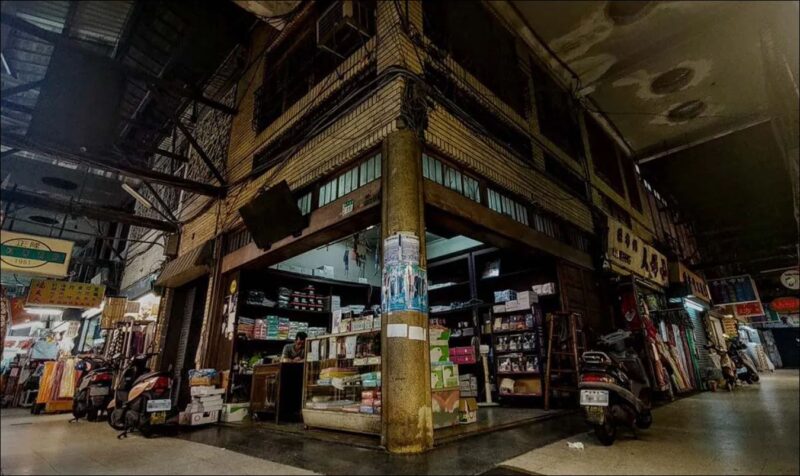 |
After the war, the Asakusa Arcade became a hub for fabric, known colloquially asthe Ximen fabric market. For decades it remained an important centre for fabric in southern Taiwan, with many traders and tailors still in business. Like an ember that never went out, it quietly kept the market’s everyday vitality alive.
Across nearly twenty years of restoration planning, the Tainan City Government’s Cultural Affairs Bureau respected public opinion and finally decidednot to demolish the traditional passage of the Ximen fabric market. That decision embodies the highest principle of cultural preservation:restoring not only a building’s skeleton but allowing cultural memory and everyday life to flourish together.
Restoring not only a building’s skeleton,
but letting cultural memory and everyday life
flourish together.
— Act Three
Act three: a splendid rebirth
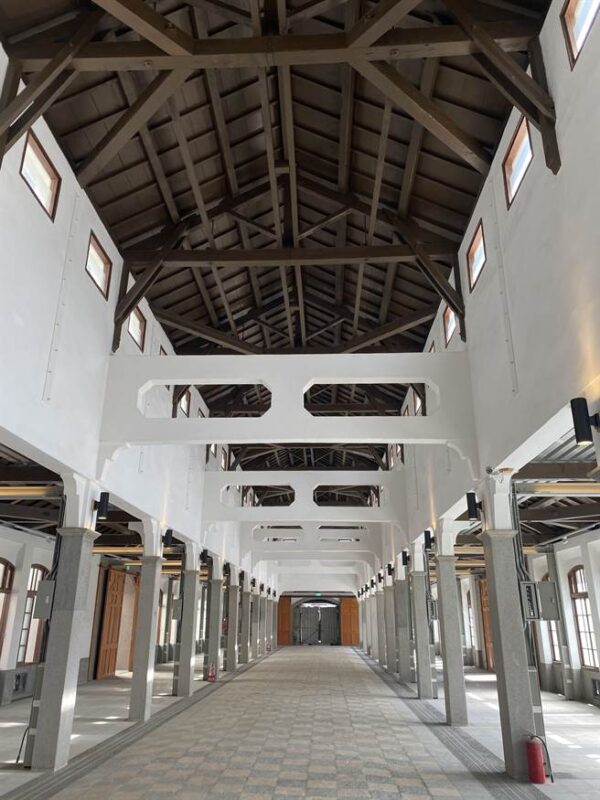
After nearly two decades of planning and restoration, at a total cost of more thanNT$135 million, Ximen Market has finally completed its renovation and stands as the most beautiful heritage market. This rebirth did not only restore a building: it is a model of balance between historical preservation and modern commercial operation.
3.1 Reviving a century of splendour with modern function
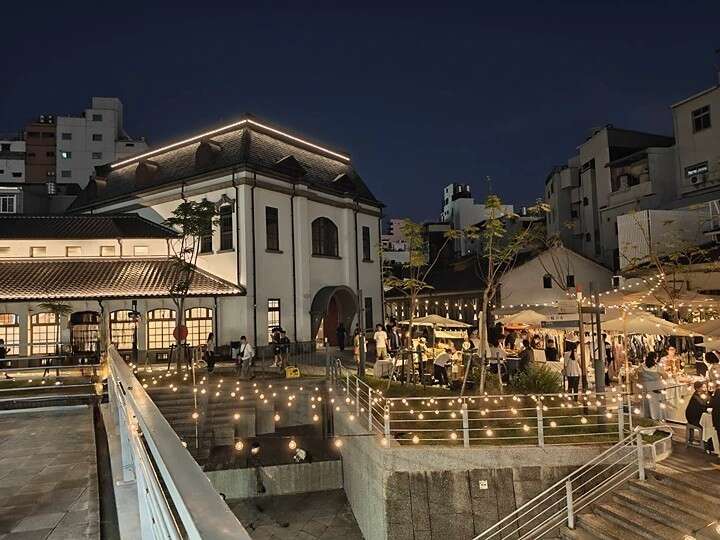 |
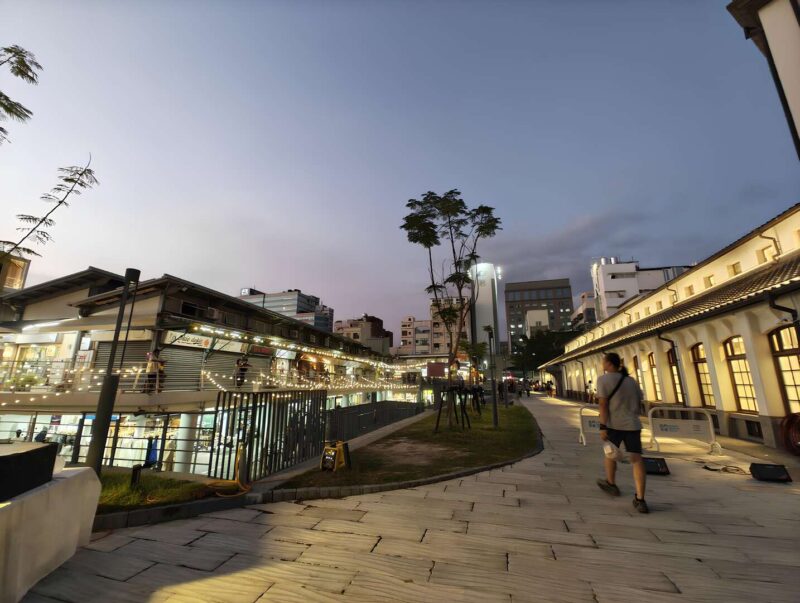 |
The restored Ximen Market brings back the architectural character of the colonial period while incorporating contemporary design, achieving three key rebirths:
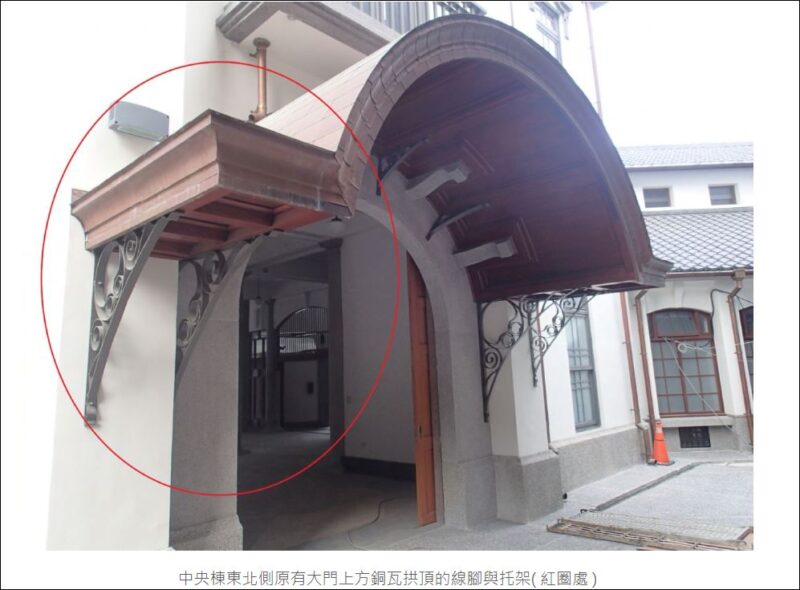
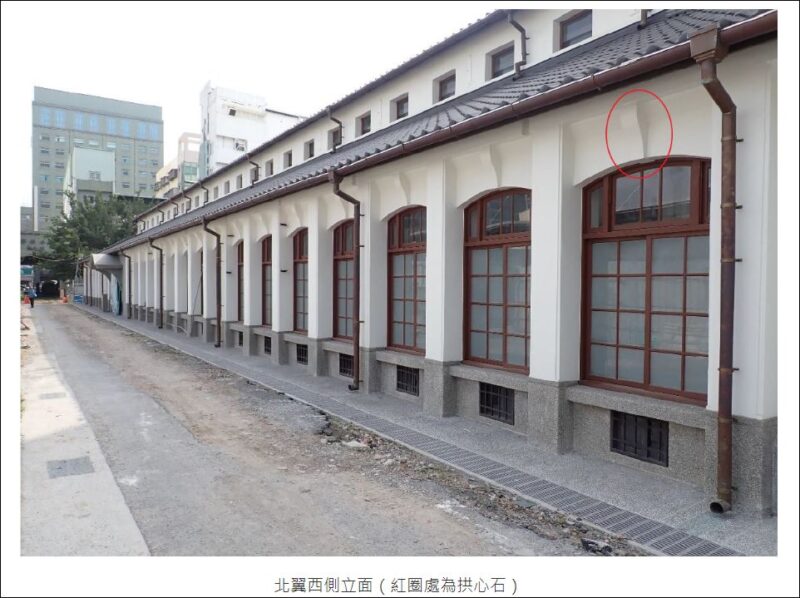
| Reviving a century of splendour | It successfully restored theFrench mansard roof, dormer windows and curved gable, faithfully recreating the appearance of what was then the most splendid market in Taiwan. |
| A new experience | Inside there areentirely new fittings and comfortable air conditioning, along with improved ventilation, public toilets, flooring and drainage. Mobile payment anddelivery platformshave also been introduced. |
| Markets and performance | The market square uses asunken design, combined withweekend markets, musical performances and street artists, making the market a new focal point for exchange and cultural experience. |
3.2 A varied mix: design, food and the fabric trade flourishing together
The reborn Ximen Market is no longer simply a food market but has becomea diverse and inclusive creative quarter. Within the heritage building itself there aremore than 100 stalls, comprising 66 for design and textiles, 20 for light refreshments, and 23 for cooked food and general goods.
🍰 Tainan sweetness: inheritance and trend
| Carrying on the old flavours | With eighty years behind it,Yonghexiang Bakeryspecialises in traditional cakes such as red tortoise cakes, egg yolk pastries and pengbing. |
| The giant talking point | Baizhen Bakeryis famous for cream puffsthe size of your palm, richly old-fashioned in flavour. |
| A frenzy for the palate | BB.BABE Korean bakeryis known for breads whose filling comes out like a waterfall. |
| The drink of the moment | The well-known tea brandDengchu Daichabuilds its drinks on Taiwanese high-mountain tea with cheese or whisky. |
| Local and limited | Senshan Fruit Roomsells Japanese-style candied apples and seasonal candied fruit skewers. |
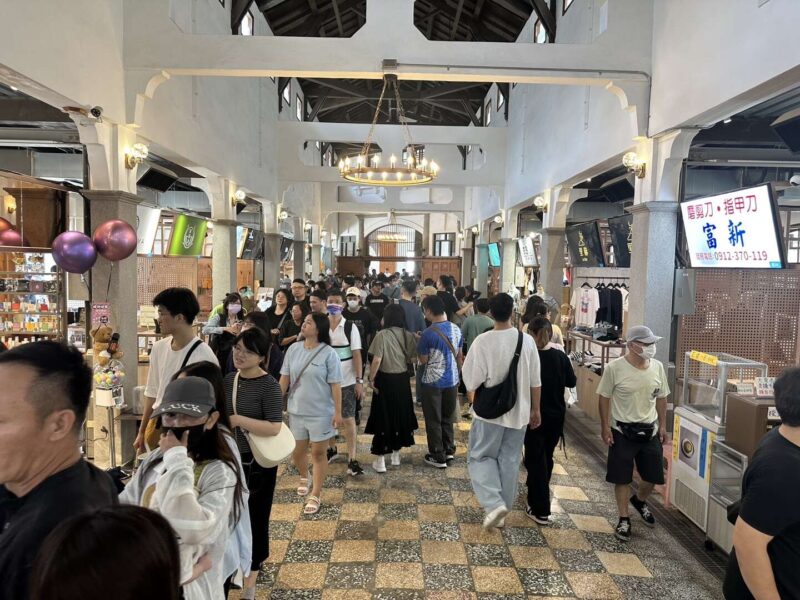
The market has brought in many new-generationdesign brands and curated goods, so an old market can now be browsed with real style. More importantly, on the Guohua Street Section 3 side thethe Ximen fabric marketpassage remains, and many fabric traders and tailors continue to trade, so while browsing design shops you can also feelthe vitality of the traditional fabric trade.
— Act Four
Act four: a guide for the younger generation
How the Instagram generation should do Ximen Market
If this is your first time in Tainan and you belong to the generation that checks social media before anything else, Ximen Market is exactly the kind of place that willhold your phone’s attention for an extra 30 minutes. It is nothing like the market you are picturing: every column, every dormer window, even the stall selling giant cream puffs carries its ownurge to make you press the shutter..
◆ Timing: two golden windows
Ximen Market hastwo golden windows for photographs, and the difference between them is considerable:
The first is10:00–11:30 in the morning. At this hour the sun slants in through the dormer windows of the mansard roof and casts soft pools of light on the white vaulted ceiling — the loveliest moment for photographing the building. The stalls have not long opened and the crowds are still thin, so you can walk a full circuit at leisure and pick up a few pengbing at Yonghexiang as a gift.
The second is17:30–19:00 in the evening. Now the exterior lighting comes on and the whole white monument turns momentarily intothe Louvre of the old city, and with market music and street performers in the sunken square the mood can make you think you are in Europe. At weekends you may catch a musical performance too — a very photogenic slot.
The slot we recommend least is12:30–14:00 at midday, when crowds, delivery riders and photography groups all pile in, the flow becomes chaotic, and your photographs will capture the back of someone’s head.
◆ Composition: four angles you must take
| The full facade | Step back across the road and fitthe mansard roof and the moulded Ximen Market letteringinto one frame. We suggest a 0.5x wide angle to capture the full symmetry of the curved gable. |
| Looking up along the interior aisle | Stand where the L-shaped aisles meet and tilt the cameraup at 45 degreesto catch the vaulted ceiling and both rows of stalls at once. It is loveliest when light pours through the dormer windows. |
| A close-up of the mouldings | Theabalone medallions and floral mouldingson the front entrance are the essence of colonial-era craft. Shoot close up in portrait mode and the blurred background gives a superb texture. |
| The sunken square | Walk down into the courtyardThe sunken squareand shoot upwards to get the whole complex in. In the evening, with a market on, it is especially cinematic. |
◆ Food: the truth about the Baizhen cream puff
The conclusion first:Baizhen Bakery’s giant cream puff really is the size of your palm. That is not marketing, it is fact. First-timers usually gasp; second-timers learn the lesson that one puff is right for two people. The filling is an old-fashioned custard cream, not too sweet, and the crisp shell has real layers. It is one of those rare cases oflooking extravagant on Instagram and eating very honestly.
As for BB.BABE’s Korean bread, the waterfall of filling really does pour out — so once you have bought one, be sure tophotograph it immediately and eat it immediately, or five minutes later it will be a disaster in your paper bag.
If you want a photograph with a contemporary old-city mood, the combination the editorial team recommends most isDengchu Daicha’s high-mountain tea whisky(amber liquid in a clear cup against a white heritage backdrop). That single photograph will lift your Tainan stories a whole level.
◆ Budget: a perfect day for NT$800
The good thing about Ximen Market is thatentry is free, so the whole budget goes on eating and drinking. We suggest: cream puff NT$80, Korean bread NT$80, tea NT$100, traditional cakes at Yonghexiang NT$150, Senshan candied fruit NT$100, and gifts such as pengbing or handmade pieces NT$300 — roughlyNT$800 per person, enough to eat from morning to evening and pick up all your Tainan gifts.
◆ What to wear: choosing colours that talk to the building
This matters for anyone who enjoys Instagram: the restored Ximen Market is built arounda fresh white palette, so getting your colours right will lift a photograph a whole level. In our own tests the most photogenic wereoff-white, milk tea, pale khaki and light blue— soft tones that merge with the white architecture and give photographs a cinematic quality.
Least advisable are fluorescent colours or large areas of black: the former jump too hard against a white background, the latter swallow the layers of light. If you want a retro mood, trydeep wine red, dark green or burgundy, which against the French lines of the mansard roof create the illusion of browsing a market in Paris.
◆ Route: the smartest way to dodge the tour groups
Many people do not know that Ximen Market hasan L-shaped circulation, with the main entrance on Ximen Road. In fact entering from the Youai Street side is quieter and more relaxed. The reason is simple: coach parties always stop at the main entrance, so walking against them lets you avoid the crowds of large groups.
Another advanced tip:do the exterior first, then the interior. Many people head straight for the cream puff stall on arrival, which crowds the inner aisles while the exterior goes unphotographed. Reverse it: photograph the building and facade outside first, then go in and enjoy the food. By the time you come out the crowd may have thinned, letting you add a few clean interior shots.
At Ximen Market,
every photograph you take
is a shutter across a hundred years.
— Act Five
Act five: a walking route
From 3 Door, covering the most splendid half-day in the old city
TheXimen Market walking routethe editorial team recommends most is arranged like this — its core logic issee the architecture in the morning, eat design-led food at midday, browse the fabric market in the afternoon and watch the night view in the evening, and the whole route is under 5 km on foot:
| 09:30 | Set out from 3 Door Hotel along Chenggong Road and Zhongyi Road heading south, taking in the atmosphere of old Tainan as you go |
| 10:00 | On arrival at Ximen Market, walk a circuit outside first for the facade and close-ups of the mouldings |
| 10:30 | Go inside and start at Yonghexiang Bakery with a pengbing to warm the stomach |
| 11:00 | Photograph the Baizhen giant cream puff, then find a seat in the sunken square to eat it |
| 11:30 | BB.BABE Korean bread plus Dengchu Daicha high-mountain tea completes the trio of design-led food |
| 12:30 | Walk into the Ximen fabric market and feel the everyday vitality and the warmth of time in the fabric patterns |
| 13:30 | Head five minutes north from Ximen Market to Guohua Street and Yongle Market for lunch |
| 15:00 | Continue to the old street of Shennong Street and rest in a cafe for the afternoon |
| 17:00 | Return to 3 Door Hotel to rest a while and change |
| 18:30 | Visit Ximen Market again for the night view; at weekends you can join the market in the sunken square |
The essence of this route is thatthe same place has two completely different characters by day and by night. By day it is an elegant heritage museum; in the evening a lively creative market — going twice in one day is the best value of all.
— Editor’s Field Notes
The editor’s private notes
| 01 |
History first, food secondOn a first visit, spend fifteen minutes walking the exterior and look closely at thosefloral mouldings, abalone medallions and the mansard roof. Once you understand the story behind the building, the cream puff in your mouth gains another layer of meaning: you are eating not only a dessert but an era of splendid return. |
| 02 |
The fabric market is the hidden attractionMost visitors browse the design area and leave, butthe true soul of Ximen Market is that passage through the fabric market. Step through the arch and you will see owners pricing bolts of patterned cloth on an abacus and tailors bent over sewing machines — the Tainan that Google reviews will not tell you about. |
| 03 |
Yonghexiang’s pengbing is a key to the Tainan palateYonghexiang Bakery, eighty years old,is one of the market’s oldest shops. Its pengbing has a crisp shell, a hollow centre and rich molasses — a flavour only Tainan’s older generation recognises. A box taken home carries more story than any pineapple cake. |
| 04 |
Weekends are the main eventIf you can choose your date,please choose a weekend. The sunken square hosts markets, music and street performers at weekends, and the atmosphere of heritage plus music plus market is nothing like a weekday. We suggest arriving 30 minutes early for a good spot. |
| 05 |
Where you stay decides how deeply you experience it3 Door Hotel is a 15-minute walk from Ximen Market— a distance that lets you browse by day, return to the hotel in the evening to rest and go back out for night photographs, with no need to call a car at all. Within the same 15-minute radius are Guohua Street, Shennong Street, Yongle Market and the Confucius Temple district, making it one of the few options on anyWhere to stay in Tainanlist that unlocks the whole West Central District from a single point. |
|
— TAINAN STAY RECOMMENDATION —
Where to stay in Tainan | an old-city base within walking distance of Ximen Market3 Door Hotel stands at No. 77 Chenggong Road, a 15-minute walk from Ximen Market and linked to Guohua Street, Shennong Street, Shuixian Temple Market and the Confucius Temple district — the best position forsetting down your bags and walking straight into a century. |
Book a room now |
Frequently asked questions
Where is Ximen Market (Dacaishi), and when did it reopen?
A
Ximen Market lies aroundXimen Road Section 2 and Youai Streetin the West Central District of Tainan, about a 15-minute walk from 3 Door Hotel. Restored at a cost of more thanNT$135 million, it reopened recently and is the most talked-about heritage and design destination in Tainan.
Why is it called Dacaishi, and how does it differ from an ordinary market?
A
Ximen Market was founded in1905as the first publicly built market in the old city of Tainan and the largest modern market in southern Taiwan at the time, which earned it the name Dacaishi. After restoration it has become adiverse creative quarter bringing together design, food and the traditional fabric trade.
Which shops are essential at Ximen Market?
A
The essential stops include the eighty-year-oldYonghexiang Bakery, the giant cream puffs ofBaizhen Bakery, the Korean bakeryBB.BABE, the tea brandDengchu Daicha, and the Japanese-style candied fruit ofSenshan Fruit Room. The Ximen fabric passage also remains, with fabric traders and tailors still in business.
What distinguishes the architecture, and why is it called the most beautiful heritage market?
A
Ximen Market hasa French mansard roof, dormer windows and a curved gable, along with finely moulded flowers, foliage and abalone medallions, making it one of the most splendid market buildings in Taiwan at the time. Restored ina fresh white paletteas its main palette, it looks especially elegant in the light, which earned it the name of Tainan’s most beautiful heritage market.
How do I get to Ximen Market from 3 Door Hotel, and what else is nearby?
A
It is about a15-minutewalk from 3 Door Hotel at No. 77 Chenggong Road. Afterwards you can continue toYongle Market, Shennong Street or Shuixian Temple Market, linking up the richest golden living circle route in Tainan’s West Central District.
— Epilogue
In closing: time turns, memory remains
A century at Ximen Market is a complete history book of Tainan’s development, condensed.
From the largest wholesale centre for ingredients in southern Taiwan during the colonial period, to the Dacaishi that carried everyday memory after the war, to today’s most beautiful heritage market combining history and design, it has borne witness to how Tainan held fast to its own cultural grain through the tide of modernisation.
The reopening of Ximen Market links Guohua Street, Zhengxing Street and Hai’an Road into an indispensablegolden living circle.Where to stay in Tainanand hope to travel deeply, Ximen Market is without question the essential new destination for understanding Tainan’s history, tasting its food and feeling its creative atmosphere.
On your next trip to Tainan, are you ready to keep an appointment a hundred years in the making at Ximen Market?
Market Vogue Vol.5 | Yamuliao Market: a philosophy of time over charcoal
Next time we walk into Tainan’s warmest traditional market, Yamuliao, to see how charcoal has kept burning for sixty years in this old market long after it vanished from modern kitchens.
📖 The complete 3 Door Market Walk series
📖 Series overview
🗺️ Walking guide
EP1 Dongcai
EP2 Shuixian Temple
EP3 Yongle Market
EP4 Ximen Market
EP5 Yamuliao
Side I: breakfast wars
Side II: alchemy of sweetness
Side III: getting distracted
Side IV: soundscape
Side V: spectrum of taste
#XimenMarket
#Dacaishi
#TainanHeritage
#SlowTravelTainan
#TainanFood
#3DoorHotel
#MarketVogue
Stay at 3 Door and walk into Ximen Market’s splendid century-long return
A 15-minute walk to Ximen Market, Yongle Market, Shennong Street and Shuixian Temple Market. Begin at No. 77 Chenggong Road and keep an appointment a hundred years in the making.
